
A long, bitter winter can leave even the healthiest lawn looking tired, patchy, and stressed. When the snow finally melts, many homeowners find that their grass has lost its vibrant color and resilience. The good news is that nature is remarkably forgiving. With a few thoughtful adjustments, you can help grass recover and guide it back to a lush, thriving state. This process doesn’t require complicated steps or expensive products—just patience, understanding, and the right early-spring habits.
Bringing a lawn back to life is about working with the soil, supporting the roots, and giving the grass the time and conditions it needs to bounce back. This guide will walk you through gentle, effective ways to restore your lawn after winter and help it grow stronger with each passing season.
TLDR: Help The Grass Recover
A harsh winter can leave lawns compacted, discolored, and patchy—but recovery doesn’t require aggressive treatments. By allowing soil to thaw naturally, clearing debris gently, reintroducing water and nutrients gradually, and focusing on root health, homeowners can help grass recover steadily through spring. Patience, consistency, and simple adjustments lead to a stronger, greener lawn over time.
Understanding What Winter Does To Grass
Winter affects every part of your lawn, from the soil structure to the root system. To help grass recover effectively, it’s important to understand what those months of cold, ice, and snow really do. Freezing temperatures can dehydrate blades and compact the soil, while fluctuating conditions often leave behind bare spots and weakened root zones. Recognizing these natural stressors allows you to respond with the right care rather than guesswork or overcorrecting.
Related Links
- Tips On How To Revive Your Lawn For Spring
- How Do You Get Rid Of Moss In Your Lawn
- How To Prepare Your Lawn For Cold Weather
Help Grass Recover: Giving the Soil Time to Thaw
One of the most important adjustments you can make in early spring is simply allowing the soil to wake up at its own pace. Walking on the lawn too soon can compact the soil further and damage fragile roots. Once the ground softens and begins to warm, oxygen starts moving back into the soil, microbial activity increases, and the lawn naturally prepares for new growth. Patience here makes every later step more effective.
Clearing Debris Without Disturbing New Growth
As soon as your yard is dry enough to walk on without leaving deep footprints, gently removing leaves, branches, and leftover winter debris can make a big difference. A light raking lifts matted grass and helps sunlight reach the ground. This simple action encourages airflow and reduces the risk of mold or fungal growth as temperatures rise. Avoid aggressive raking, especially early in recovery, because new shoots can be delicate.
Encouraging Air Circulation at the Soil Level
Grass that has been smothered under snow for months often needs better airflow to perk up again. Loosening the top layer of soil with a rake or lawn tool allows air to move around the roots. This small adjustment reduces moisture buildup, supports stronger root development, and prepares the lawn for future treatments like fertilizing and overseeding. It’s a gentle but powerful way to wake up sluggish patches of grass.
Helping Roots Access The Nutrients They Need
During winter, roots operate in a low-energy state. As temperatures warm, they need easily accessible nutrients to restart growth. Using a light, early-spring fertilizer designed for cool-season recovery can give your lawn an important boost. The key is moderation. Overfeeding too soon can overwhelm grass that is just beginning to revive. A slow-release option helps the lawn take only what it needs without causing sudden, unnatural growth spurts.
Reintroducing Water In A More Gradual Way
Moisture plays a major role in lawn recovery, but the soil must warm sufficiently before you increase irrigation. Early spring naturally brings shifts in rainfall, and your grass often needs less supplemental water than you expect. Once the temperatures stabilize and new growth becomes visible, watering deeply but infrequently helps encourage roots to grow downward. This adjustment is especially useful for lawns that experienced drought stress before winter arrived.

Overseeding Thin Or Patchy Areas
Many lawns come out of winter with bare or weak areas that benefit from overseeding. Adding fresh grass seed in early to mid-spring helps fill in gaps and strengthens the lawn’s overall density. The seeds require contact with loosened soil, consistent moisture, and access to sunlight. Avoid covering them with too much soil, as new seedlings need air just as much as they need water. Overseeding not only improves appearance but also boosts resilience against future weather extremes.
Balancing Lawn Recovery With Everyday Life
Spring can be a busy season, especially if you are managing yard work while coordinating other life changes. Homeowners preparing for a move, for example, may juggle packing, organizing, or planning logistics. Some turn to professionals like Dielman Moving & Storage MO to help reduce the workload, giving them more time to address outdoor tasks such as lawn recovery. Small adjustments made consistently can still transform a winter-worn yard, even when your schedule feels full.
Repairing Winter Damage Without Overworking The Lawn
The temptation to overcorrect is strong when you see winter damage, but heavy treatments can do more harm than good. Aeration, dethatching, or applying strong products too early can stress recovering roots. Early-spring lawn care is most effective when it focuses on gentle actions that support natural growth. Save more intensive treatments for later in the season when the grass is actively growing and strong enough to respond without becoming stressed.
Improving Soil Health For Long-Term Recovery
Healthy soil is the foundation of a thriving lawn. After winter, the soil may become compacted, depleted, or imbalanced. Incorporating organic matter such as compost can improve structure, increase water retention, and support beneficial microorganisms. Strong soil biology helps grass access nutrients more easily and withstand the temperature fluctuations common in spring. Well-nourished soil contributes to a thick, greener lawn that recovers faster every year.
Adjusting Mowing Habits as New Growth Appears
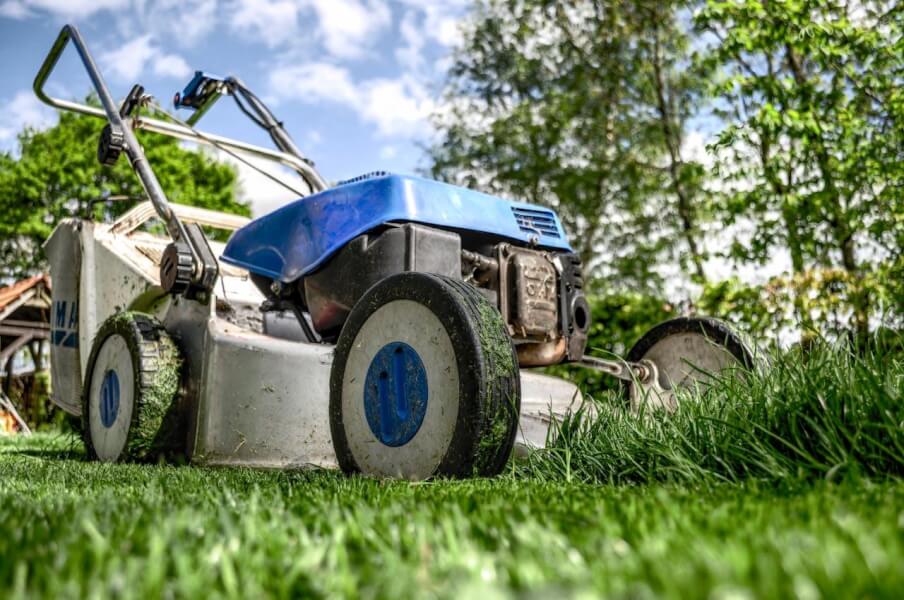
Once your lawn begins to green up, adjusting how and when you mow can help it thicken more quickly. Allow the grass to grow slightly taller than usual at first to encourage deeper root growth. Sharp mower blades are essential because dull blades can tear recovering grass and leave frayed edges that dry out easily. Mowing too short or too often early in the season can slow recovery and leave the lawn looking sparse.
Supporting The Lawn With Consistent Care Through Spring
Winter recovery is not a single event; it is a gradual transition. Your lawn may improve noticeably one week and then slow down the next, depending on rainfall, temperatures, and sunlight. Consistency makes the biggest difference. Watering thoughtfully, avoiding unnecessary stress, and monitoring the soil’s condition all contribute to steady progress. Over time, the lawn strengthens, thickens, and becomes better prepared for the heat of summer.
Encouraging A Healthy Root System
Recovery is most effective when focused on the roots. A strong root system helps your grass withstand drought, foot traffic, and temperature changes throughout the year. By keeping the soil loose, providing adequate moisture, and avoiding harsh treatments early in spring, you give your lawn what it needs to rebuild from the ground up. Healthy roots lead to greener blades, fuller coverage, and more predictable growth patterns.
Avoiding Common Recovery Mistakes
It’s natural to want fast results, but rushing the process can set the lawn back. Starting heavy fertilization too early, mowing aggressively, or walking on saturated soil can all undo the progress your grass is trying to make. Observing your lawn’s response to each adjustment helps you make better decisions and prevents unnecessary damage. Recovery becomes easier when you work with the lawn’s natural rhythm rather than forcing a specific timeline.
Embracing Simple Solutions for a Healthier Lawn
Even though winter can be harsh, your lawn has an incredible ability to rebound when given the right care. You don’t need complicated treatments or advanced equipment to help it recover. Instead, small, thoughtful adjustments allow the grass to regain its strength and return to a vibrant, healthy state. Watching your yard come back to life each spring is both satisfying and a reminder of nature’s resilience.
Key Takeaways
- Winter stress affects soil structure, roots, and grass blades—not just appearance
- Avoid walking on or working soil until it fully thaws to prevent compaction
- Gentle raking improves airflow and sunlight without harming new shoots
- Early-spring fertilizer should be light and slow-release
- Deep, infrequent watering encourages stronger root systems
- Overseeding fills bare spots and improves long-term resilience
- Delaying aggressive treatments protects fragile, recovering grass
Patience, Attention, and Care
A harsh winter may take a toll on your lawn, but with the right approach, you can absolutely help grass recover and regain its color, strength, and vitality. By understanding what winter leaves behind and making gentle, timely adjustments, you support deeper roots, healthier growth, and long-term resilience. Your grass doesn’t need aggressive treatments to thrive again—it simply needs care that aligns with its natural healing process. With these thoughtful steps, your yard can return to full health and become even stronger as the seasons progress.
FAQ: Help The Grass Recover
How long does it take grass to recover after winter?
Most lawns show noticeable improvement within a few weeks of consistent spring care, though full recovery can take most of the season depending on damage and weather.
Should I fertilize immediately after winter ends?
No. Wait until soil temperatures rise and grass shows signs of growth. Use a light, slow-release fertilizer to avoid stressing dormant roots.
Is it okay to rake dead grass in early spring?
Yes, but only lightly. Gentle raking removes debris and lifts matted grass without disturbing delicate new growth.
When is the best time to overseed bare spots?
Early to mid-spring is ideal, once soil has warmed slightly and daytime temperatures are consistent.
Can I mow as soon as the grass turns green?
Wait until grass is actively growing and slightly taller. Always use sharp blades and avoid cutting too short early in the season.
Be Sure To Check Out Some Of Our Services:
Termites — Rodents — Ants — Bed Bugs