
TLDR: Why Pests Return After Treatment
This article explains why pests often return after treatment and emphasizes that long-term prevention, not just one-time spraying, is key. Recurring infestations usually happen due to untreated entry points, hidden life stages (like eggs), favorable conditions (food and moisture), and lack of follow-up. The best defense combines professional inspection, structural repairs, sanitation, and ongoing prevention measures.
Many people feel shocked when pests return after treatment. The home seemed quiet at first. Of course, that calm often does not last. The reason is rarely bad luck or poor timing. It usually connects to deeper control gaps.
Understanding why pests return after treatment helps homeowners protect their space long term. Pest control works best with planning and follow-through. In many cases, treatments reduce activity rather than address the cause. That difference matters more than most realize.
Pests behave based on survival needs. Food, shelter, and water drive their movement. As a result, infestations return where those needs remain unmet. Control must address more than what people see.
One-Time Treatments Do Not Break the Pest Life Cycle
Most pests reproduce quickly under stable conditions. Eggs resist many common products. In practical terms, sprays often miss hidden breeding areas. Adults die, but the next generation survives.
Related Links
- How to Get Rid of Moss in Your Lawn?
- One-Time Pest Prevention
- How To Get Rid Of Fleas From A Siberian Husky
- Lawn-Destroying Insects
- Spring’s Here! Advice For Pet Owners On Flea Treatments
Larvae develop in walls, soil, or drains. They stay protected until safe conditions return, which is easier in the older homes. Over time, activity resumes and surprises homeowners. This creates the illusion that treatment failed.
Life cycles vary by species, but the pattern stays consistent. Without repeated action, populations rebuild. From experience, professionals expect this outcome when follow-up is skipped.
Why Pests Return After Treatment: The Root Causes Professionals See
Professionals often find untreated zones during inspections, and that’s why you should always consult them. These include voids, crawl spaces, and insulation. Quite often, these areas stay untouched during basic treatments.
Resistance also increases survival rates. Some pests adapt after repeated exposure to the same products. As conditions change, control methods lose strength. This explains why pests return after treatment even after professional visits.
Behavior plays a role too. Pests shift movement patterns to avoid treated areas. In response, they spread deeper into structures. This makes later control harder and more costly.
Long-Term Prevention Strategies That Keep Pests From Coming Back Again
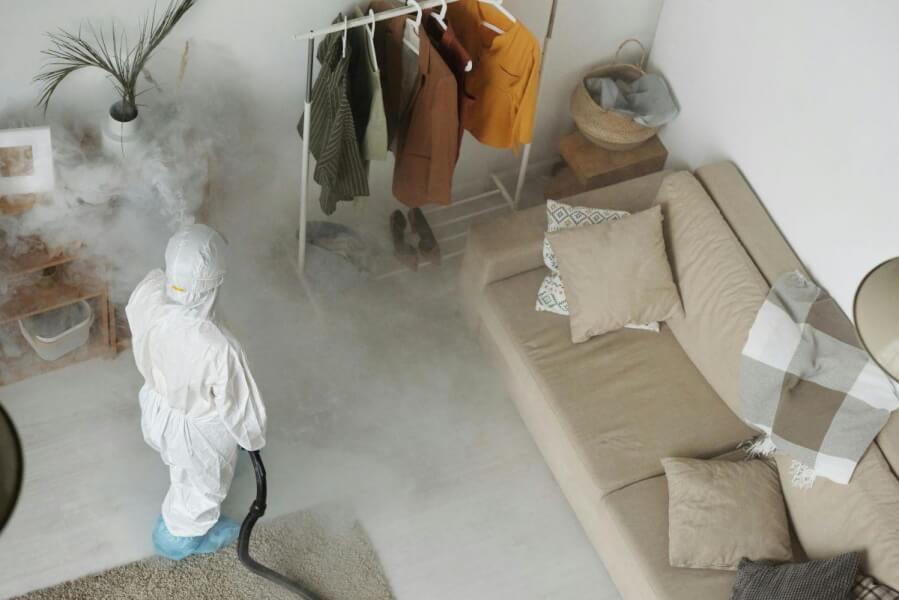
Long-term prevention focuses on removing the reasons pests settle in the first place. Treatments alone cannot solve recurring issues. Instead, prevention works by changing conditions that pests depend on. This approach reduces pressure on homes and buildings over time.
Many infestations restart because environments remain welcoming. Food access, shelter, and moisture still exist after treatment. As a result, pests return once chemicals fade. Prevention closes that window and helps keep unwanted visitors away for good. This applies strongly to storage environments. Facilities store many items that attract pests. Controlling pest infestation in your self-storage units requires strict prevention standards. Cleanliness and inspections remain essential.
Prevention starts with understanding pest behavior. Pests do not wander randomly. They follow scent trails, heat, and shelter. Because of this, small issues often grow into large infestations when ignored.
Sanitation plays a critical role in prevention. Even small food sources support survival. Crumbs under appliances feed insects nightly. Likewise, trash areas attract rodents quickly. Cleaning routines reduce these risks.
Storage habits matter more than people expect. Cardboard absorbs moisture and offers nesting material. For this reason, sealed containers work better for long-term storage. This applies to homes, garages, and storage facilities.
Structural Entry Points That Invite Pests Back Inside
Every building has natural weaknesses. Materials expand and contract with weather. Over the years, gaps appear around doors and windows. Pests exploit these spaces quickly.
Utility lines create hidden access points. Pipes and cables leave small openings behind walls. In daily inspections, these areas rank high for re-entry problems.
Poor sealing allows repeated invasions. Treatments remove pests but not pathways. Without repairs, the cycle continues regardless of product strength.

Environmental Factors That Support Re-Infestation
Pests follow resources, not chemicals. Food crumbs feed insects overnight. At the same time, moisture supports breeding and survival. Kitchens and bathrooms attract repeat activity.
Outdoor conditions matter just as much. Mulch, debris, and dense plants provide cover. In many situations, pests move indoors once outdoor pressure rises.
Ignoring outdoor sources weakens indoor control. By comparison, treated interiors with unmanaged yards see faster returns. Balanced control must include both areas.
Poor Follow-Up Is Where Most Treatments Fail
Many homeowners stop checking once activity fades. This delay allows small populations to grow. Unfortunately, early signs often go unnoticed.
Monitoring catches problems before they spread. Professionals schedule follow-ups for this reason. Based on experience, missed inspections cause most repeat infestations.
Follow-up also allows plan adjustments. Conditions change inside homes. In real terms, flexible strategies work better than one-time actions.
The Difference Between Elimination and Suppression
Suppression lowers pest numbers temporarily. Elimination removes causes permanently. At first glance, both appear successful.
Suppression relies on repeated chemical use. Elimination focuses on access control and sanitation. In everyday practice, elimination takes longer but lasts longer.
Understanding this difference prevents disappointment. From a long-term view, elimination reduces stress and expense over time.
How to Stop Pests From Returning for Good
Effective prevention combines several actions. Sealing entry points blocks access. Sanitation removes attraction. Together, these steps reduce survival chances.
Moisture control plays a major role. Fixing leaks limits breeding areas. In addition, storage habits affect pest interest.
Timing matters as well. Treatments should match pest activity cycles. With careful planning, prevention outperforms repeated treatments.
Professional vs DIY: What Actually Works Long Term
DIY products handle surface-level issues. They rarely reach hidden nests. In many homes, this leads to short relief only.
Professionals inspect areas most people avoid. They adjust methods as conditions change. Through experience, they catch problems earlier.
DIY works best with guidance. Professional plans offer structure and accountability. In practice, combined efforts deliver stronger results.
Key Takeaways: Why Pests Return After Treatment
- One-time treatments rarely break pest life cycles — eggs and hidden nests often survive, allowing populations to rebound.
- Root causes matter more than symptoms — treatment that kills visible pests without addressing entry points or habitats won’t last.
- Environmental conditions support return infestations — food crumbs, moisture, mulch and clutter attract pests back indoors.
- Structural gaps invite pests back — cracks, utility penetrations, and unsealed perimeters are top re-entry pathways.
- Consistent follow-up is crucial — many repeat issues arise when monitoring and repeat visits stop too early.
- Prevention beats suppression — elimination focuses on exclusion and sanitation, while suppression only lowers numbers temporarily.
- Summary: Long-Term Prevention Is the Real Solution
Recurring infestations rarely happen by chance. They reflect missed steps and hidden conditions. Learning why pests return after treatment gives homeowners control.
Long-term prevention relies on consistency. Repairs, monitoring, and sanitation work together. Over time, these habits stop infestations from returning.
Quick fixes feel convenient but fail often. Prevention protects comfort and health. Ultimately, lasting control depends on understanding causes, not chasing symptoms.
FAQ: Why Pests Return After Treatment
Q: Why am I still seeing pests after treatment?
A: Most professional sprays don’t reach hidden nests or eggs. Additionally, pests can re-enter through gaps or be attracted by ongoing food and moisture sources.
Q: Does treatment kill pest eggs?
A: Many products don’t affect eggs, so populations can rebound as eggs hatch later.
Q: Are one-time treatments effective long-term?
A: One-time treatments may suppress pests briefly but won’t prevent reinfestation without addressing underlying issues.
Q: What role does sanitation play in preventing returns?
A: Regular cleaning removes food sources that attract pests, greatly reducing the chances of them coming back.
Be Sure To Check Out Some Of Our Services:
Termites — Rodents — Ants — Bed Bugs