

A vacant property can develop bare patches, overgrown weeds, compacted soil, and active pest nests before anyone notices a problem. The lawn recovery timeline after a long vacancy depends on how long the property sat unused, the season, irrigation damage, and the number of pests already established. Most lawns need several months of steady care rather than one aggressive cleanup. Early inspection matters because mowing, watering, or disturbing hidden nests can spread insects and worsen turf damage.
TLDR: The Lawn Recovery Timeline After A Long Vacancy And The Pest Problems That Come With It
A neglected lawn usually starts showing improvement within 4–8 weeks, but full recovery can take an entire growing season. Start by inspecting the yard for pest activity, drainage problems, compacted soil, damaged irrigation, and debris before mowing or reseeding. During the first month, focus on controlling pests and weeds, restoring proper watering, and mowing gradually. Once those problems are under control, aerate compacted soil and repair bare areas with seed or sod. Continue monitoring for ants, fleas, ticks, mosquitoes, grubs, rodents, and recurring turf damage throughout the recovery process.
What Does The Lawn Recovery Timeline After A Long Vacancy Look Like?
Most neglected lawns begin showing visible improvement within four to eight weeks, but full recovery often takes an entire growing season. The lawn recovery timeline after a long vacancy usually starts with assessment, followed by cleanup, pest control, soil repair, reseeding, and ongoing maintenance.

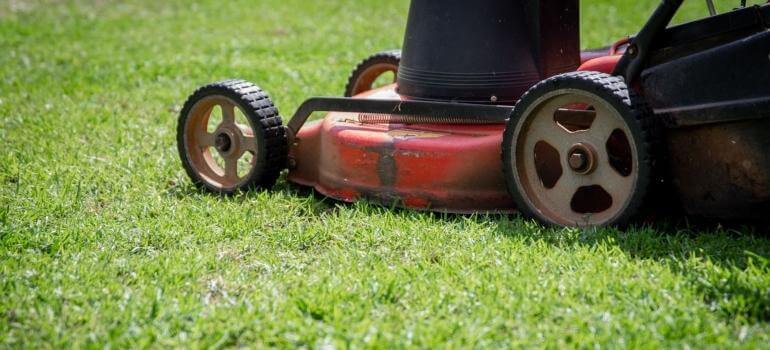
A realistic schedule may look like this:
- Days 1–7: Inspect the turf, remove debris, test irrigation, and locate pest activity.
- Weeks 2–4: Control weeds and pests, mow gradually, and correct watering problems.
- Months 2–3: Aerate compacted areas, repair soil, and reseed or resod bare patches.
- Months 4–6: Monitor new growth, adjust fertilization, and prevent pest populations from returning.
Weather can speed up or delay each phase. Heat, drought, excessive rain, and poor drainage all affect root recovery.
Related Links
- Simple Adjustments That Can Help Grass Recover After a Harsh Winter
- Smart Lawn Care: How Artificial Turf & Pump Technology Work Together for Sustainability
- What Moves In Before You Do: The Pest Reality Of A Home That’s Been Sitting Empty
- 8 Spring Lawn Care Tips to Jumpstart Healthy Grass Growth
- How to Fix Dead Patches in Your Lawn
What Should You Check Before Mowing?
Inspect the entire yard before starting a mower. Long grass can hide holes, branches, standing water, animal waste, fire ant mounds, and damaged sprinkler heads.
Some landscaping tips to deter pests from your yard include clearing leaf piles, trimming dense shrubs, and keeping mulch away from the foundation. These steps remove shelter and reduce the damp conditions many insects prefer. Mow in stages if the grass is very tall. Removing too much growth at once can stress weak turf and expose soil to heat.
How Can Moving Plans Affect the First Cleanup?
Schedule lawn work around the date when the home will become occupied. A yard may need pest treatment before children, pets, furniture, or outdoor equipment arrive.
During an international relocation, Logistics can support the moving process while the property owner coordinates lawn inspections, utility restoration, and pest treatment before arrival. This timing helps prevent crews from placing boxes or equipment near active nests. It also gives treatments time to work before the household begins using the yard.
Which Pests Usually Appear First?
Ants, fleas, ticks, mosquitoes, grubs, and rodents often take advantage of neglected yards. Tall grass creates shade and humidity, while piles of leaves or wood provide shelter.
Property owners should identify and get rid of lawn pests before reseeding large areas. New seed and fresh watering can attract insects or hide ongoing damage.
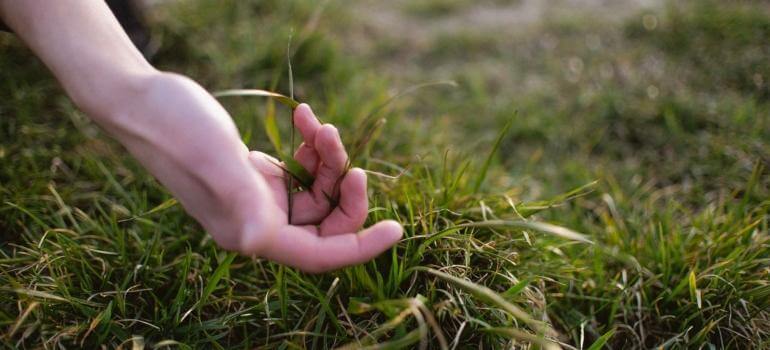
Look for these warning signs:
- Irregular brown patches that continue spreading
- Turf that lifts easily because roots have been eaten
- Small soil mounds, tunnels, or surface trails
- Increased bird activity over one section of grass
- Bites, swarms, or insects around shaded edges
Correct identification matters because drought stress, fungus, and insect damage can look similar.
How Should New Owners Rebuild Weak Turf?
Start with the causes of decline rather than cosmetic fixes. Lawn care for new homeowners should include soil testing, irrigation checks, pest monitoring, and a mowing plan suited to the grass type.
Compacted soil may need aeration before seed or sod is installed. Bare areas also need the correct amount of sunlight and water. Fertilizer should not be applied heavily to force fast growth. Excess fertilizer can burn stressed turf and encourage soft growth that attracts certain pests.
What Happens During the First Month?
The first month focuses on stabilization. The goal is to make the yard safe, reduce pest pressure, and restore basic mowing and watering routines.
Water deeply but not constantly. Frequent surface watering keeps the upper soil damp and can support mosquitoes, fungus, and shallow roots. Clear clogged drains and repair low areas where water collects. Keep the first few cuts higher than normal so weakened grass retains enough leaf surface for recovery.
When Should Bare Areas Be Repaired?
Repair bare areas after active pest problems and irrigation faults are under control. Seeding too early wastes time and may give pests another food source.
Choose repair methods based on the size of the damaged area:
- Small patches: Loosen the soil, add seed, and protect the surface from traffic.
- Large thin areas: Aerate and overseed when seasonal conditions support germination.
- Severely damaged sections: Remove dead material and install sod for faster coverage.
- Shaded areas: Use suitable grass varieties or replace turf with an appropriate ground cover.
Healthy coverage makes it harder for weeds to take over. Dense turf also reduces exposed soil where some pests establish nests.
Why Do Pest Problems Return After Cleanup?
Pests return when the conditions that attracted them remain. Standing water, dense vegetation, food waste, damaged screens, and gaps near the foundation can keep supporting activity.
The lawn recovery timeline after a long vacancy should therefore include prevention, not only treatment. Check the yard every week during the early recovery period. Watch for new mounds, fresh digging, recurring brown spots, and water that remains longer than one day.
When Is Professional Help Worth It?
Professional help is useful when the pest is unknown, the infestation covers a large area, or the lawn continues declining after basic corrections. A pest control specialist can distinguish insect activity from disease, drought, or soil problems.
Gunter Pest & Lawn can evaluate pest pressure and recommend treatment that fits the condition of the property. Professional guidance is especially helpful when fire ants, ticks, fleas, rodents, or repeated turf damage make the yard unsafe or difficult to restore.
Key Takeaways
- A neglected lawn can show noticeable improvement within 4–8 weeks, but significant damage may require an entire growing season to repair.
- Inspect the property before mowing because tall grass can conceal pest nests, standing water, holes, debris, and damaged irrigation.
- Deal with active pests and watering problems before reseeding so new grass has a better chance of establishing.
- Common pests around neglected lawns include ants, fleas, ticks, mosquitoes, grubs, and rodents.
- Brown or thinning grass isn’t automatically caused by insects; drought, disease, drainage issues, and compacted soil can produce similar symptoms.
- During early recovery, mow gradually and water deeply rather than keeping the soil constantly wet.
- Aeration can help lawns where compacted soil prevents water, oxygen, and nutrients from reaching the roots.
- Pest prevention should continue after cleanup because standing water, vegetation, debris, food sources, and shelter can cause infestations to return.
Long-Term Lawn Health and Pest Prevention
A recovered lawn stays healthier with consistent mowing, sensible watering, seasonal feeding, and regular inspection. Avoid allowing grass, shrubs, or debris to become unmanaged again. The lawn recovery timeline after a long vacancy ends when the yard can maintain steady growth without repeated emergency repairs.
Continued monitoring remains important because healthy turf can still develop pests when moisture, shelter, and food become available. A patient, staged approach creates stronger grass, reduces pest pressure, and makes the outdoor space safer for everyday use.
Be Sure To Check Out Some Of Our Services:
Termites — Rodents — Ants — Bed Bugs