Picture this: It’s a Tuesday morning. Your front desk manager forwards you a TripAdvisor notification.
A guest from the weekend checked in, woke up covered in bites, photographed the evidence on their phone, and posted a one-star review with the words “BED BUGS” in the headline all before your morning coffee had finished brewing.
By noon, the review had been viewed hundreds of times. By evening, your reservation line is quieter than usual. And then by Friday, you’re fielding a call from an attorney.
This isn’t a worst-case hypothetical. It’s a scenario that plays out in hotels, motels, extended-stay properties, and short-term rentals across the country every single week.
And the real cost goes far deeper than the bill from an exterminator.
Bed bug infestations are one of the most financially devastating events a lodging business can face. Most property managers think about the immediate treatment expense and stop there.
The truth is that a single infestation, left unaddressed or poorly managed, can cost a mid-sized hotel anywhere from $15,000 to well over $150,000 when all the damage is tallied. Understanding the full picture is the first step toward protecting your property, your guests, and your bottom line.
The Immediate Costs
When bed bugs are discovered, the clock starts running on a very expensive list of expenses.
Treatment and Remediation
Professional bed bug treatment for a single hotel room typically runs between $300 and $600 for heat treatment, the most effective method, or $200 to $400 for chemical treatment. But rarely is just one room affected. Bed bugs travel. They move through wall cavities, along baseboards, on luggage carts, and on the clothing of guests. By the time one room is confirmed, adjacent rooms almost always require inspection, and several typically require treatment.
For a thorough remediation of a 10-room cluster, you’re looking at $3,000 to $8,000 in treatment costs alone. For a full-floor scenario at a larger property, that number climbs fast.
Room Revenue Loss During Treatment
Rooms undergoing heat treatment are offline for a minimum of 24 to 48 hours, often longer if follow-up treatments are needed. At an average daily rate of $120 to $200 per room, each day a room sits empty during treatment is revenue lost. A 10-room closure for three days at $150 ADR represents $4,500 in lost room nights before you account for any associated food and beverage revenue those guests would have generated.
Guest Refunds and Compensation
Any guest who experienced a bed bug encounter will expect, and likely receive, a full refund of their stay. Most hotels also offer additional compensation in the form of future stay credits or gift cards to preserve goodwill and discourage further escalation. Expect to issue refunds and goodwill gestures averaging $300 to $700 per affected guest.
Emergency Laundry and Replacement Linen
All linens, pillowcases, mattress covers, and soft furnishings in affected rooms must be laundered at high heat or discarded. Emergency laundry services run 30 to 50 percent higher than standard rates. In some cases, mattresses, box springs, upholstered headboards, and furniture must be replaced entirely at a cost of $800 to $2,500 per room, depending on your property tier.
Add it up for a single moderate infestation ,two or three rooms, a handful of affected guests and you’re already looking at $10,000 to $20,000 before anything beyond the walls of your property is impacted.
Reputational Damage: The Cost That Keeps Compounding
Of all the damage a bed bug infestation causes, reputational damage has the most impact. It is also the hardest to quantify and the easiest to underestimate.
Online Reviews Are Permanent
A one-star review mentioning bed bugs on TripAdvisor, Google, Yelp, or Booking.com does not go away. It sits in your review history indefinitely, and it appears in search results when prospective guests research your property.
Online reviews play a major role in hotel booking decisions. According to TripAdvisor research, approximately 80 percent of travelers read multiple reviews before choosing a hotel. This means that negative reviews, especially those mentioning bed bugs or other pest issues, can have a lasting impact on a property’s reputation and influence prospective guests during the booking process.
A property with a 4.3-star average that suddenly has three recent reviews mentioning bed bugs will see its ranking on OTA platforms drop and these platforms account for 40 to 60 percent of most hotel bookings. This isn’t speculative; it’s just how the algorithm works.
Social Media Amplification
The guest who photographs their bites and posts the images to Instagram, Facebook, or X doesn’t need a large following to cause damage. A single post tagged with your property’s name and location can be shared hundreds of times. Local news outlets and travel bloggers actively monitor social media for exactly this kind of content and bed bug stories are precisely the consumer-interest content that gets covered.
The Long Booking Shadow
Research from the hospitality industry suggests that properties recovering from a publicized bed bug incident can take six to eighteen months to return to pre-incident occupancy rates, even after the infestation is fully resolved. For a 60-room property running at 70 percent occupancy at $150 ADR, a five-point drop in occupancy for six months represents approximately $98,550 in lost revenue.
Legal Liability for Bed Bugs
Hotels have a legal duty of care to their guests. When a guest is harmed physically, financially, or emotionally by conditions on your property that you knew about or should have known about, you can face significant legal liability.
Bed bug lawsuits against hotels are not rare. In documented cases, settlements and judgments have ranged from $5,000 for minor incidents to several hundred thousand dollars for cases involving documented medical complications, extensive emotional distress claims, or evidence that management was aware of prior complaints and failed to act.
Beyond the settlement amount itself, the legal costs of defending a bed bug lawsuit, attorney fees, expert witnesses, and court costs can easily reach $20,000 to $50,000, even for cases that are ultimately settled or dismissed. And the discovery process in such cases often requires you to provide internal communications, maintenance logs, and complaint records, creating additional exposure.
Your property and liability insurance may cover some of these costs, but many standard policies have exclusions or sublimits for pest-related claims. Take this opportunity to review your policy carefully and have a conversation with your broker before you find yourself in a worse case scenario.
Staff Costs, Morale, and Operational Disruption
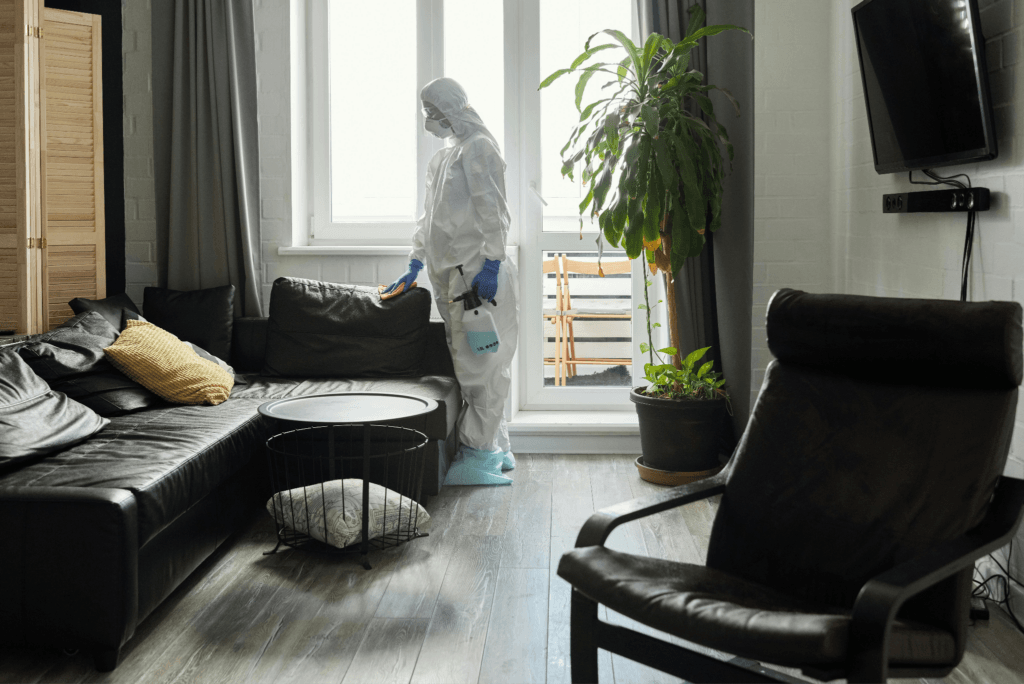
The human cost inside your operation is real but rarely discussed. When a bed bug discovery occurs, your team goes into crisis mode. Front desk staff field angry calls and in-person confrontations. Housekeeping conducts emergency inspections. Management spends hours documenting, communicating with guests, coordinating with exterminators, and managing the public-facing response.
This is unplanned labor that pulls your people away from their regular responsibilities. It creates stress, anxiety, and in some cases genuine fear among housekeeping staff who feel they are being exposed to an unacceptable risk. Staff turnover in the wake of a poorly-managed infestation is not uncommon and replacing a trained, experienced housekeeper costs an average of $3,500 to $5,000. This cost estimate factors in the price of recruiting, onboarding, and lost productivity.
What Bed Bug Prevention Actually Costs
A professional commercial bed bug prevention program for a mid-sized hotel encompassing regular inspections, mattress and furniture assessments, staff training, early detection monitoring, and documented reporting typically costs $200 to $600 per month depending on property size.
Over the course of a year, that’s $2,400 to $7,200 in prevention investment. Compare that to the conservative low-end cost of a single infestation event: $15,000 to $20,000.
The math is not complicated. Prevention costs a fraction of what a single incident costs and that’s before factoring in reputational damage, legal exposure, and the long booking shadow that follows a publicized event.
7 Actionable Bed Bug Prevention Tips for The Hospitality Industry
Now, we realize that we’ve laid out some pretty scary numbers when it comes to the financial impact of a bed bug infestation. Our goal is not to scare you, but to emphasize the importance of prevention while being very realistic about the consequences.
The good news is that you can invest in pest prevention at any time. If it’s not something that’s been on your radar, let this be your sign to look into options. We’ve outlined a few pest prevention tips to help you get started:
- Schedule regular professional inspections. Quarterly professional inspections at minimum; monthly for higher-traffic properties. An experienced pest control professional knows where bed bugs hide and what early signs look like long before a guest discovers them.
- Invest in early detection tools. Interceptor traps placed under bed legs provide early warning between professional inspections. They are inexpensive and highly effective.
- Train your housekeeping staff. Your housekeeping team is in those rooms every single day. Train them to recognize rust-colored staining on mattress seams, shed skins, and small dark excrement spots on headboards and baseboards.
- Establish a clear reporting and response protocol. Every staff member should know exactly who to call, what to document, and how to respond to a guest complaint. A protocol-driven response reduces the chance of a complaint escalating to a review, and a review escalating to a lawsuit.
- Encase mattresses and box springs. High-quality mattress encasements eliminate the most common harborage point and make inspections dramatically faster and more reliable.
- Audit your linen and laundry processes. High-heat laundering at minimum 120°F for 30 minutes is lethal to bed bugs at all life stages. Confirm your laundry protocol meets this standard.
- Partner with a certified commercial pest control provider. Look for QualityPro certification, documented commercial hospitality experience, and a defined prevention program, not just reactive treatment.
A Pricey Problem With a Very Simple Solution
Bed bugs don’t care how many stars are on your sign. They’re expert hitchhikers, stowaways on luggage, clothing, and furniture arriving from every corner of the world, and no property is immune simply because it’s well-run or well-priced. A five-star resort and a roadside motel are playing the same game. The difference is how prepared they are.
The properties that come out ahead aren’t the lucky ones. They’re the ones that made a deliberate choice to get ahead of the problem, with a real prevention program, professional support, and the kind of early-detection process that catches issues before a guest does. Before the phone comes out. Before the review gets written.
The full cost of a bed bug infestation at your property is not just the exterminator’s invoice. It is the refunds, the room nights, the replacement furniture, the legal fees, the lost bookings, the review recovery, and the staff disruption all compounding together over months. That total, for a single incident, routinely exceeds $50,000 at mid-sized properties.
The good news? Every dollar of that is avoidable. Bed bug prevention isn’t a luxury line item. It’s the most cost-effective decision you can make for your property, your guests, and your reputation.
Protecting Your Property Starts With the Right Partner
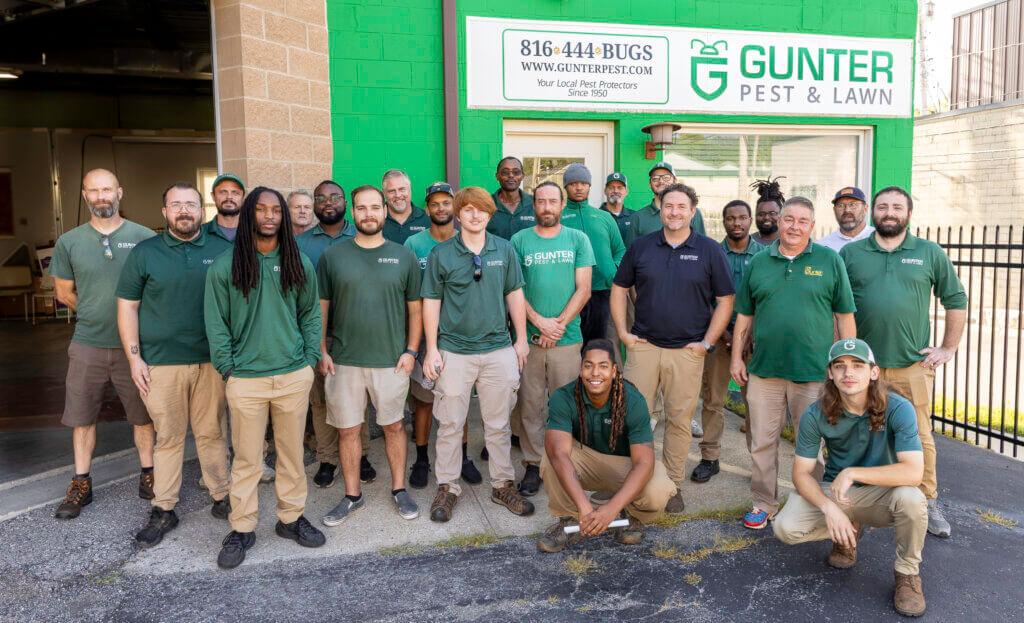
At Gunter Pest & Lawn, we’ve been helping Kansas City businesses stay ahead of pest problems for decades. Our commercial pest control program is a proactive, professionally managed approach built around your specific facility, your risk profile, and your guests’ expectations.
If you’re ready to put a real prevention program in place, our team knows what’s at stake for your reputation and is committed to keeping your property protected year-round. Contact Gunter Pest & Lawn today for a free commercial pest control bid.
Key Takeaways:
- Bed bug infestations can cost hotels far more than treatment alone due to lost revenue, refunds, and reputational damage.
- Negative reviews and social media posts can impact bookings long after the infestation is resolved.
- Legal claims and operational disruptions can significantly increase the total cost of an incident.
- Prevention is much more affordable than remediation and recovery.
- Regular inspections, staff training, and early detection are the best defenses against bed bugs.
- A proactive pest management program helps protect your guests, reputation, and bottom line.
Common Questions About Bed Bugs in Hotels
Q: How Do I Check for Bed Bugs at a Hotel?
A: When checking into a hotel room, inspect the mattress seams, box spring, headboard, and upholstered furniture for signs of bed bugs. Look for small reddish brown insects, tiny white eggs, dark spotting, or rust colored stains on bedding and mattress seams. It is also a good idea to keep luggage off the bed and use a luggage rack while inspecting the room.
Q: How Common Are Bed Bugs in Hotels?
A: Bed bugs are more common in hotels than many travelers realize. Because hotels welcome guests from different locations every day, bed bugs can be introduced into a property at any time. While reputable hotels take preventive measures and conduct regular inspections, no hotel is completely immune to bed bugs due to their ability to hitchhike on luggage, clothing, and personal belongings.
Q: How Do Hotels Get Bed Bugs?
A: Hotels typically get bed bugs when they are unknowingly brought in by guests. Bed bugs are expert hitchhikers that can travel on luggage, backpacks, clothing, furniture, and other personal items. Once introduced into a room, they can spread to neighboring rooms through wall voids, hallways, housekeeping carts, and shared spaces if not detected and treated quickly.