
TLDR: Spring lawn care tips
Spring is the most important time to set your lawn up for success. Start with a thorough inspection, improve soil health, repair bare spots, fertilize at the right time, mow properly, stay ahead of weeds and pests, and water deeply but infrequently. If you’d rather skip the guesswork, Gunter’s 7-Step Lawn Care Service is designed specifically for Kansas City lawns and keeps everything on schedule for healthy, long-term growth.
*Originally published on January 24th, 2019, Updated on February 11th, 2026
After a long winter of freezing temperatures, snow, and heavy foot traffic, it’s normal for your lawn to look a little worse for wear. Brown patches, thin spots, and compacted soil can leave Kansas City homeowners wondering if their grass will ever bounce back. The good news? Spring is the perfect time to reset!
With the right approach, you can strengthen roots, encourage healthy growth, and set your lawn up for success all season long. In this guide, we’ll share simple and effective spring lawn care tips that help jumpstart healthy grass growth.
1) Start with a Spring Lawn Inspection
Before you fertilize, reseed, or make any major changes, take time to evaluate how your lawn handled the winter. A simple walkthrough can help you spot small issues early, before they turn into bigger (and more expensive) problems.
As soon as the ground has thawed and your lawn is mostly dry, walk your yard and look for:
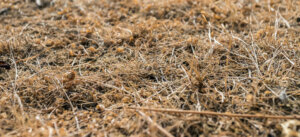
- Brown or matted grass that may indicate snow mold
- Thin or bare areas caused by foot traffic, pet activity, or winter stress
- Compacted soil in high-traffic spots
- Standing water or drainage issues
- Early weed growth, especially crabgrass or broadleaf weeds
Try the “tug test” on brown areas: gently pull on the grass. If it resists and roots are still intact, it’s likely dormant and will recover. If it pulls up easily, that section may need repair or reseeding. You should also pay attention to soil firmness. If the ground feels extremely hard, compacted soil may be restricting air, water, and nutrients from reaching the roots. This is a common issue after a harsh winter and may signal that aeration would be beneficial.
Starting with a thorough inspection gives you a clear plan of action. Instead of guessing what your lawn needs, you’ll be able to focus on the areas that truly require attention and allow you to jumpstart healthy grass growth this spring.
2) Improve Soil Health for Stronger Roots
If you want thicker, greener grass this spring, the real work starts underground. Healthy lawns aren’t just about what you can see above the surface, they depend on strong roots and nutrient-rich soil below it.
After months of cold temperatures, snow cover, and winter foot traffic, your soil may be compacted and depleted. When soil becomes too dense, it limits the flow of air, water, and nutrients to the roots. And when roots can’t breathe or absorb what they need, grass struggles to grow.
Soil Types
Understanding the composition of soil can help you determine the health and quality of the soil in your lawn.
There’s the topsoil which is the very uppermost layer. This layer is where a majority of your lawn’s nutrients are found. Organic materials such as dead leaves, leftover thatch or compost, animal droppings, dead insects, etc. are absorbed into the soil. This mixture of decayed organic material is also referred to as humus (not to be confused with the delicious chickpea spread you eat).
The next layer down is the subsoil. This layer lives right below the topsoil and also houses a good amount of nutrients, although not nearly as much as its neighbor above. The subsoil is usually composed of a variety of small minerals including sand, silt, dirt, and clay.
The next layer on our descent is weathered rock fragments or clay. This layer is true to its name and is composed of bits and pieces of bedrock that have broken off, thick clay, and other assortments of minerals. This part of the soil is not rich in nutrients and if your soil consists of a majority of weathered rock fragments or clay, a thriving green lawn may not be in the cards.
The very last layer is bedrock. The bedrock layer is hard, solid rock. It could be of a variety of different rock types such as sandstone, limestone, granite, or a complex mixture of them all.
Here in the Kansas City area, many lawns sit on dense clay soil. While clay can hold nutrients well, it also tends to compact easily and drain slowly, especially after a wet winter. That combination can make it harder for roots to get the oxygen and movement they need to thrive.You can find out more about your soil type from soil surveys conducted by the Natural Resource Conservation Service (NRCS).
Why Soil Health Matter in the Spring
When soil is in good condition, it allows water, oxygen, and nutrients to move freely down to the root system. That access is essential for encouraging new growth and repairing winter damage. If roots can’t access what they need, grass may appear thin, patchy, or slow to thrive despite regular watering or fertilizing.
Improving soil health early in the season creates the foundation for thicker, stronger growth throughout the year.
Aeration Is Key to Breaking Up Compacted Soil
One of the most effective ways to improve soil health in spring is aeration. Aeration involves removing small plugs of soil from the lawn to reduce compaction and allow air, water, and nutrients to reach the roots.
Signs your lawn may benefit from aeration include:
- Water pooling on the surface
- Hard, dense soil in high-traffic areas
- Thin or struggling grass despite proper watering
- Heavy clay soil
While fall is often considered the ideal time for core aeration, spring aeration can still be beneficial for lawns that are severely compacted or stressed from winter conditions. In some cases, aeration paired with seeding can help thicken thin areas and improve overall turf density.
Whether done as a DIY project or handled by a professional lawn care team, relieving soil compaction is one of the most impactful steps you can take to jumpstart healthy grass growth.
3) Rake, Remove Debris & Lightly Dethatch
Over the winter, leaves, twigs, and other debris can build up and create a barrier between your grass and the sunlight, air, and moisture it needs. In some cases, you may also notice a layer of thatch, which is a buildup of dead grass and organic matter that sits between the soil and the green blades.
If you notice a thick, spongy layer when you walk across your yard, your lawn may benefit from light dethatching. Removing excess thatch improves water absorption and helps nutrients reach the root zone more effectively. That said, this isn’t the time to be aggressive. Spring grass can still be tender, especially early in the season. Use a gentle touch — the goal is to loosen debris and promote airflow, not tear up healthy turf.
Think of it as spring cleaning for your yard. Clear away what doesn’t belong, and you’ll give your lawn the space it needs to grow thicker and greener in the weeks ahead.

4) Fix Bare or Patchy Areas Early
A common issue that people run into once the snow thaws, is bare patches in their lawns. In the Kansas City area, winter conditions like freezing temperatures, snow mold, salt runoff, pet activity, and heavy foot traffic can all leave grass looking sparse. If you ignore those areas, they can quickly become prime real estate for weeds once temperatures rise.
Why Bare Spots Form After Winter
Most bare spots develop because the root system was weakened during winter. Extended freezes can damage grass at the root level, while snow mold may leave turf matted and thin. Compacted soil in high-traffic areas can also restrict airflow and nutrient absorption, making it difficult for grass to recover naturally. Identifying the cause isn’t always simple, but addressing the damage early gives your lawn the best chance to bounce back.
How to Repair Bare Spots the Right Way
For smaller areas, you can often tackle repairs yourself:
- Loosen the soil with a rake to improve seed-to-soil contact.
- Add a thin layer of compost or quality topsoil if the area looks depleted.
- Apply grass seed suited to our Kansas City climate.
- Keep the area consistently moist until new growth establishes.
- Limit foot traffic while the grass fills in.
If you’re dealing with larger patchy areas, recurring thin spots, or soil that feels severely compacted, professional treatment can make a noticeable difference. Our lawn care team at Gunter can assess the underlying cause, recommend the right solution for Kansas City lawns, and apply targeted treatments to help your grass recover faster and grow stronger.
5) Apply the Right Fertilizer at the Right Time
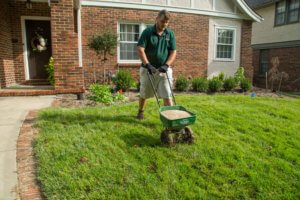
When it comes to spring lawn care, timing matters just as much as the product you use. After a long winter, it can be tempting to throw down fertilizer as soon as the snow melts, but applying it too early (or too heavily) can actually do more harm than good.
Don’t Rush the First Application
In early spring, your lawn is focused on rebuilding its root system. While you may see some top growth, most of the real work is happening below the surface. Applying fertilizer too early (especially when soil temperatures are still cold) can lead to wasted nutrients or runoff before the grass can properly absorb them.
In the Kansas City area, soil temperatures typically need to warm consistently before fertilizer becomes fully effective. Waiting until your lawn is actively growing ensures nutrients are used efficiently instead of sitting idle.
Choose the Right Blend for Your Lawn
Not all lawns have the same needs. Using a balanced fertilizer designed for early-season growth helps support steady development without pushing the grass too aggressively. The goal isn’t a quick burst of bright green blades, it’s stronger roots and thicker turf. A soil test can provide helpful guidance, but even a visual inspection of your lawn’s condition can help determine whether it needs a light boost or a more targeted treatment plan.
If you’re unsure about soil temperature, product selection, or application rates, working with a professional lawn care team can remove the guesswork. If applied correctly, spring fertilizer sets the tone for the entire growing season.
6) Mow Smart to Encourage Thick Growth
Mowing might seem simple, but how and when you mow in the spring plays a major role in how thick and healthy your lawn becomes. Wait until your grass is actively growing and the ground is firm before making that first cut. Mowing too early can compact soil and stress tender turf.
It’s also important not to cut your grass too short. Removing more than one-third of the blade at a time can weaken the root system and leave your lawn vulnerable to weeds, drought, and disease. Keeping your grass slightly taller encourages deeper roots and helps naturally shade out unwanted growth, which is especially important as temperatures begin to rise.
Also make sure your mower blade is sharp so it cuts cleanly rather than tearing the grass, which can cause browning and increase the risk of disease. When possible, leave clippings on the lawn. They break down quickly and return valuable nutrients back into the soil.

7) Watch for Early Spring Weeds & Pests
Spring doesn’t just wake up your lawn, it wakes up weeds and pests too. As soil temperatures rise in the Kansas City area, unwanted growth and insects begin to emerge right alongside your grass. Catching problems early makes them much easier to control before they spread and compete with your lawn.
Get Ahead of Early Weeds
Crabgrass and other common broadleaf weeds begin germinating when soil temperatures consistently warm. Once they take hold, they compete with your lawn for sunlight, water, and nutrients — often filling in thin or bare areas before grass has a chance to recover.
Applying a properly timed pre-emergent treatment can help prevent many of these weeds before they ever break through the surface. Timing is key. Apply too early, and effectiveness may fade. Apply too late, and weeds may already be established. Monitoring soil temperature and seasonal patterns helps ensure treatments are applied when they’ll be most effective.
If weeds have already appeared, targeted post-emergent treatments can stop them from spreading further.
Keep an Eye on Early Pest Activity
As temperatures climb, insects become more active. Grubs, chinch bugs, and other lawn-damaging pests can begin feeding beneath the surface, weakening roots and creating thin, stressed areas that worsen over time.
Signs of early pest activity may include:
- Irregular brown patches
- Grass that pulls up easily from the soil
- Increased bird activity (they may be feeding on grubs)
If you’re unsure about timing or noticing signs of early weed or insect activity, our lawn care and pest control teams can help evaluate your lawn and recommend targeted treatments designed specifically for Kansas City conditions. Acting early can make all the difference between a minor fix and a major issue later in the season.
8) Water the Right Way as Temperatures Rise
As spring temperatures begin to climb in Kansas City, your lawn will need consistent moisture to support new growth. One of the most common misconceptions among homeowners is that more water isn’t always better. Overwatering can lead to shallow roots, fungal issues, and unnecessary runoff, while under-watering can slow recovery and leave grass stressed.
In most cases, lawns in our area benefit from about 1 to 1.5 inches of water per week, including rainfall. Rather than watering a little every day, aim to water once or twice per week, applying enough moisture to soak the soil about 6 inches deep. This encourages roots to grow downward instead of staying near the surface, which helps your lawn handle summer heat more effectively. An easy way to measure is by placing an empty tuna can or small container in your yard while watering. Once it fills to about an inch, you’re on track.
Early morning is the best time to water, ideally between 6 a.m. and 10 a.m., so moisture can absorb before the sun intensifies and excess humidity lingers overnight. With the right balance, proper watering supports thicker growth and helps everything else you’re doing this spring work more effectively.

Ready to Give Your Lawn a Strong Start?
If you’ve always dreamed of having a beautiful green lawn or want to continue being known as the neighbor with the greenest lawn on the block, Spring is the perfect time to make it happen. The amount of care and effort you put into your lawn in the Spring sets the tone for the rest of the Summer and Fall. But with that being said, it is A LOT of work — there’s no sugar coating that.
If you’d rather not juggle soil temperatures, fertilizer timing, and weed prevention schedules on your own, Gunter’s 7-Step Lawn Care Service takes care of it for you. Our comprehensive program is designed specifically for Kansas City lawns, combining fertilization, weed control, and seasonal treatments applied at the right time for maximum effectiveness. Instead of guessing what your lawn needs, you’ll have a plan built for long-term health and consistent results.
Let’s make this your lawn’s best season yet. 🌿
Key Takeaways
- Inspect first. Walk your lawn after the final freeze to check for compaction, bare spots, drainage issues, and early weed activity.
- Healthy soil = healthy grass. Kansas City’s clay-heavy soil can compact easily, so aeration may be key to stronger root growth.
- Fix patchy areas early. Reseed and repair thin spots before weeds take over.
- Time your fertilizer correctly. Wait until soil temperatures warm and use the right blend for steady root development.
- Mow smarter, not shorter. Avoid cutting more than one-third of the blade and keep mower blades sharp.
- Prevent weeds and pests early. Properly timed pre-emergent treatments make a big difference.
- Water with purpose. Aim for 1–1.5 inches per week, applied once or twice weekly, to encourage deep root growth.
- Consider a professional plan. Gunter’s 7-Step Lawn Care Service coordinates fertilization, weed control, and seasonal treatments at the right time for Kansas City conditions.